
by Trilogy | Oct 17, 2026 | Data Centers
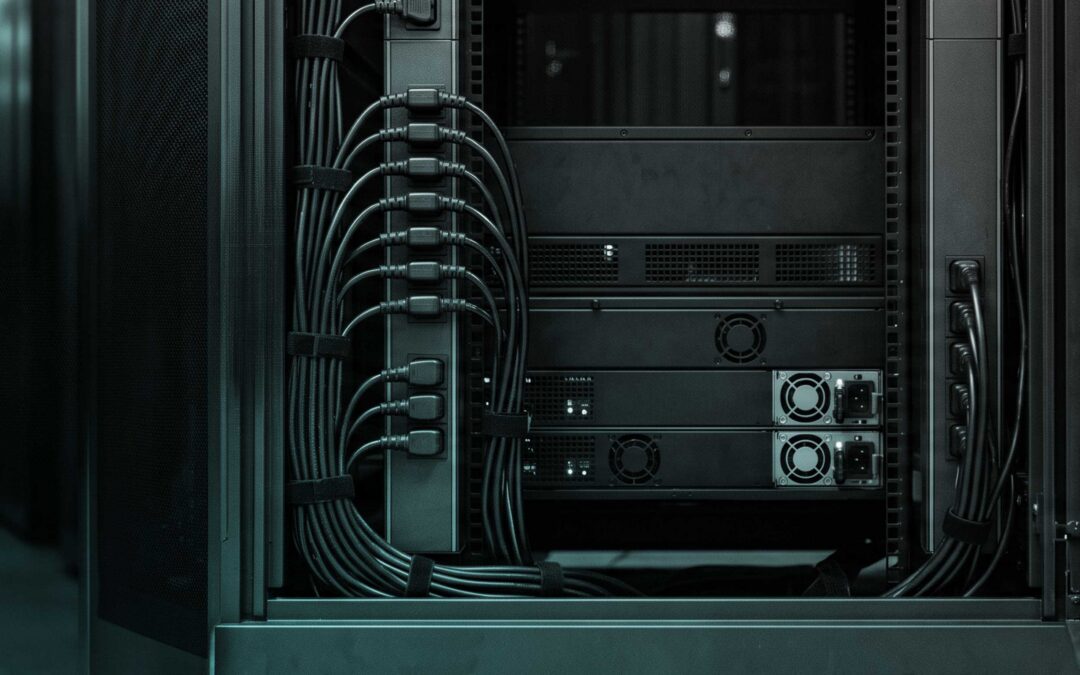
N is the capacity needed to carry the full load with nothing spare. N+1 adds one redundant component, so a single failure does not drop the load. 2N duplicates the entire system into two independent paths, each able to carry the full load alone, which allows...
by Trilogy | Oct 12, 2026 | Data Centers
Sizing rack power comes down to five steps: total the actual load rather than the nameplate ratings, convert that load into amps at your supply voltage, apply the continuous load rule that limits a circuit to 80 percent of its rating, divide across phases and across A...

by Trilogy | Oct 5, 2026 | Data Centers
Data center power terminology mixes electrical engineering, IT operations and procurement vocabulary, which is why the same equipment gets three names depending on who is talking. This glossary covers the terms that come up most in real projects: capacity terms like...
by Trilogy | Sep 30, 2026 | Data Centers
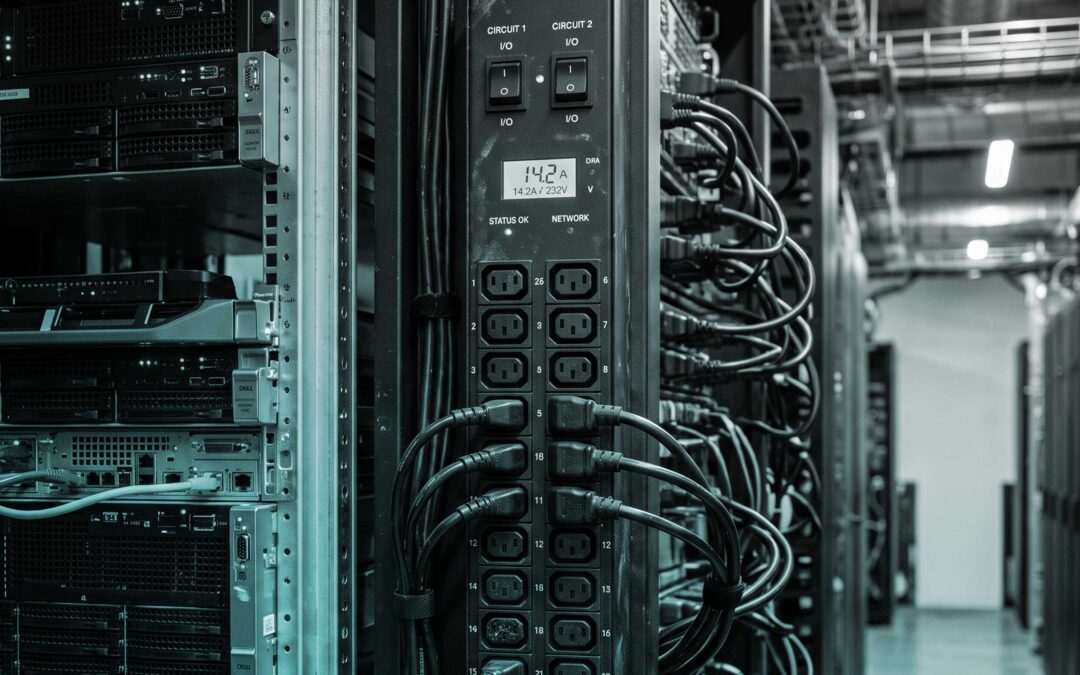
Rack PDUs come in roughly five capability tiers: basic distribution, metered at the unit, monitored over the network, outlet-metered, and switched with remote outlet control. Price rises sharply across that range, and most facilities do not need the top tier...
by Trilogy | Sep 26, 2026 | Data Centers
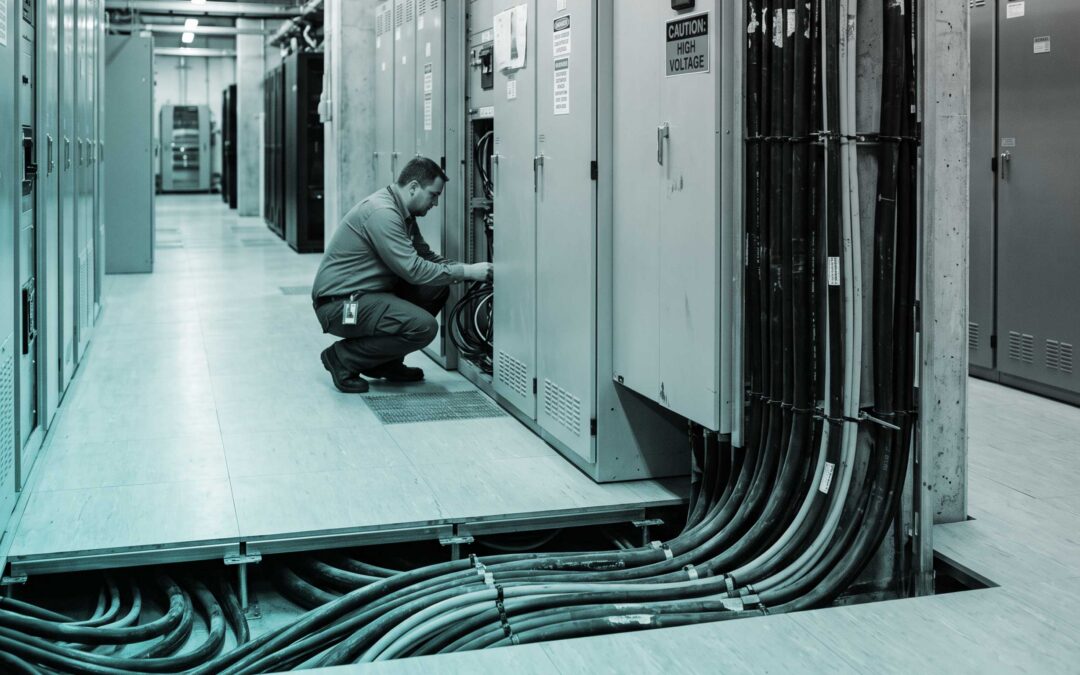
Most data center power problems are not equipment failures. They are design and planning decisions that looked reasonable at the time: sizing to nameplate ratings, forgetting the continuous load derate, treating a 2N pair as additive capacity, running out of breaker...

by Trilogy | Sep 16, 2026 | Data Centers
A transformer specification is built from roughly nine decisions: type, capacity, voltage ratings, winding configuration and vector group, impedance, temperature rise, cooling class, efficiency class and physical envelope. Each affects performance, cost and which...
